
How radon mitigation works
The fix for high radon is a system that pulls the gas from under your basement floor and vents it outside. A certified installer puts it in, usually in one day.
The system
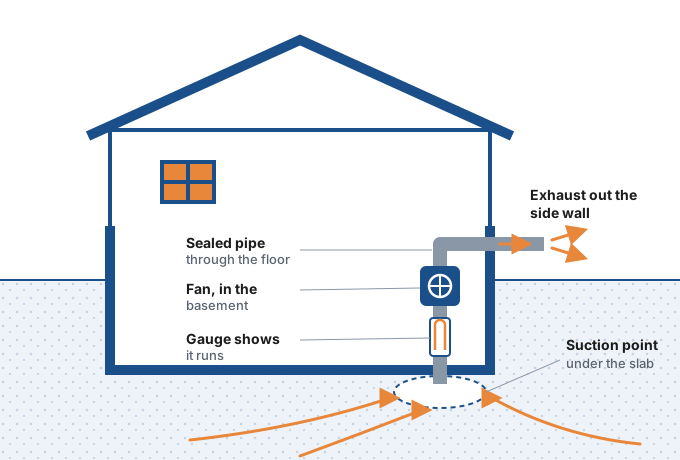
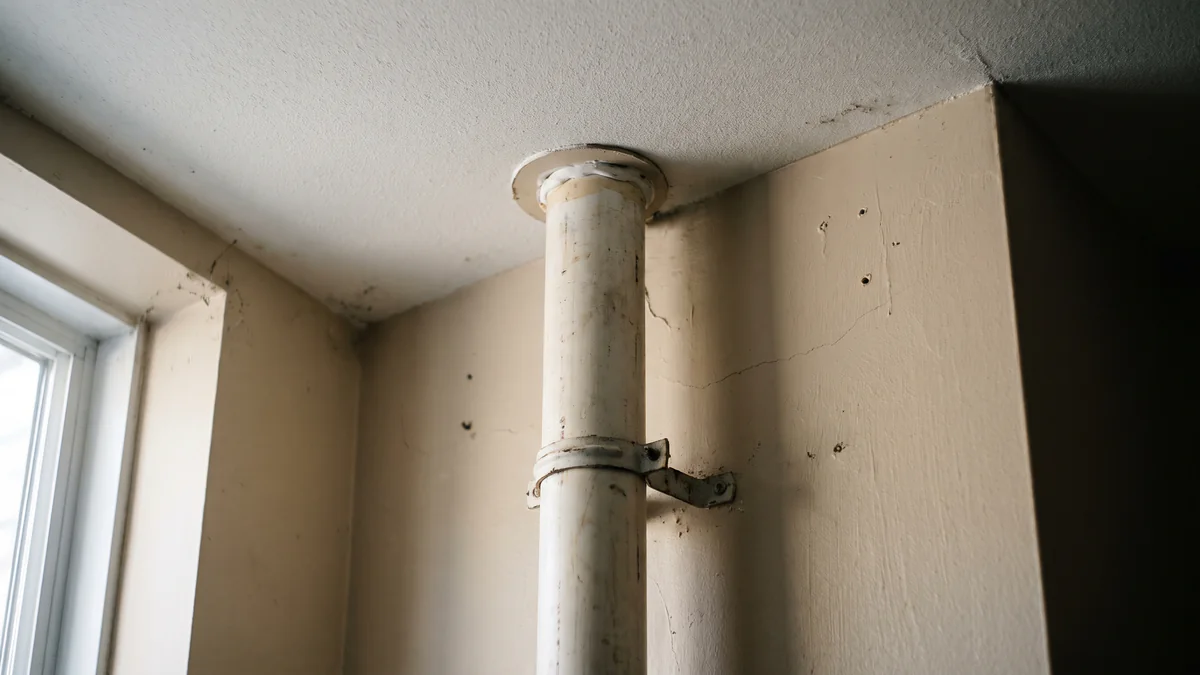
The standard method is called active soil depressurization, or a sub-slab system. The installer drills a hole through the basement floor, seals a pipe into it, and runs the pipe to a fan. The fan runs all the time and keeps the air under the slab at a slightly lower pressure than the house, so the gas goes up the pipe and outside instead of into your basement. A small gauge on the pipe shows the fan is working.
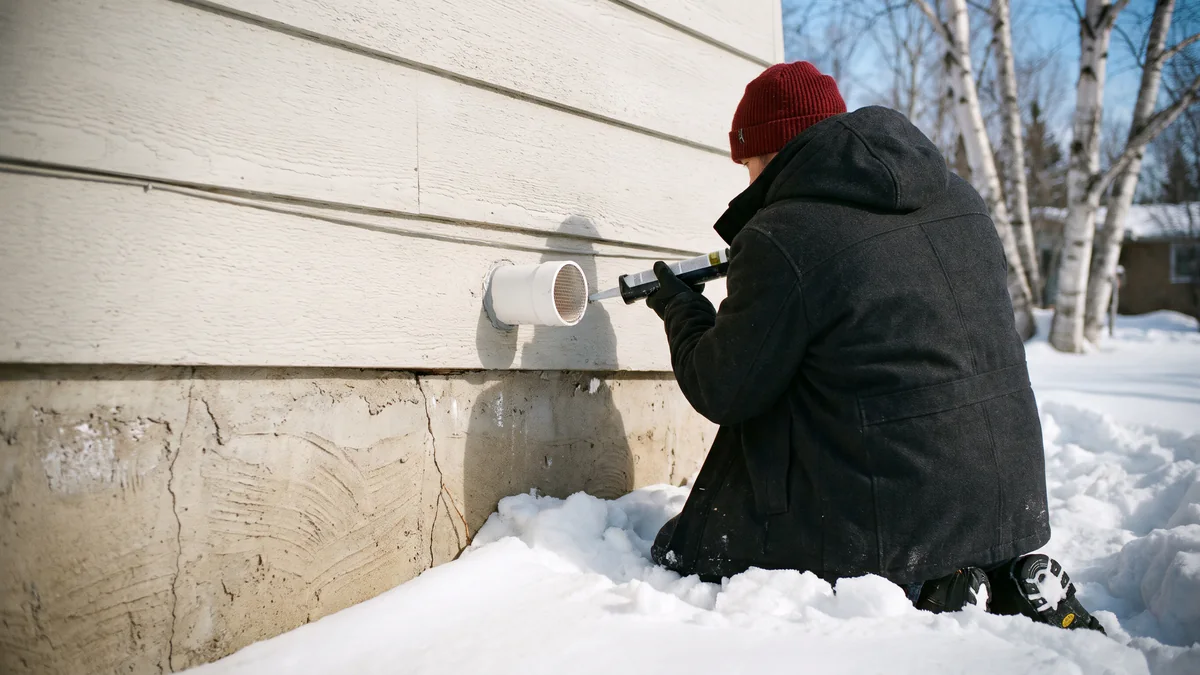
In Canada the fan usually sits indoors, in the basement, and a short pipe carries the gas out through the side wall of the house just above the ground. Health Canada tested this layout in Canadian homes because a fan outside, or a vent above the roof, can freeze or block with ice and snow in winter. In some homes the fan goes in the attic or an attached garage and the pipe exits above the roof. Health Canada field study
What it achieves
Health Canada calls this the most common radon reduction method. It can be installed in less than a day, and in most homes it cuts the radon level by more than 80%. Health Canada
What changes the work
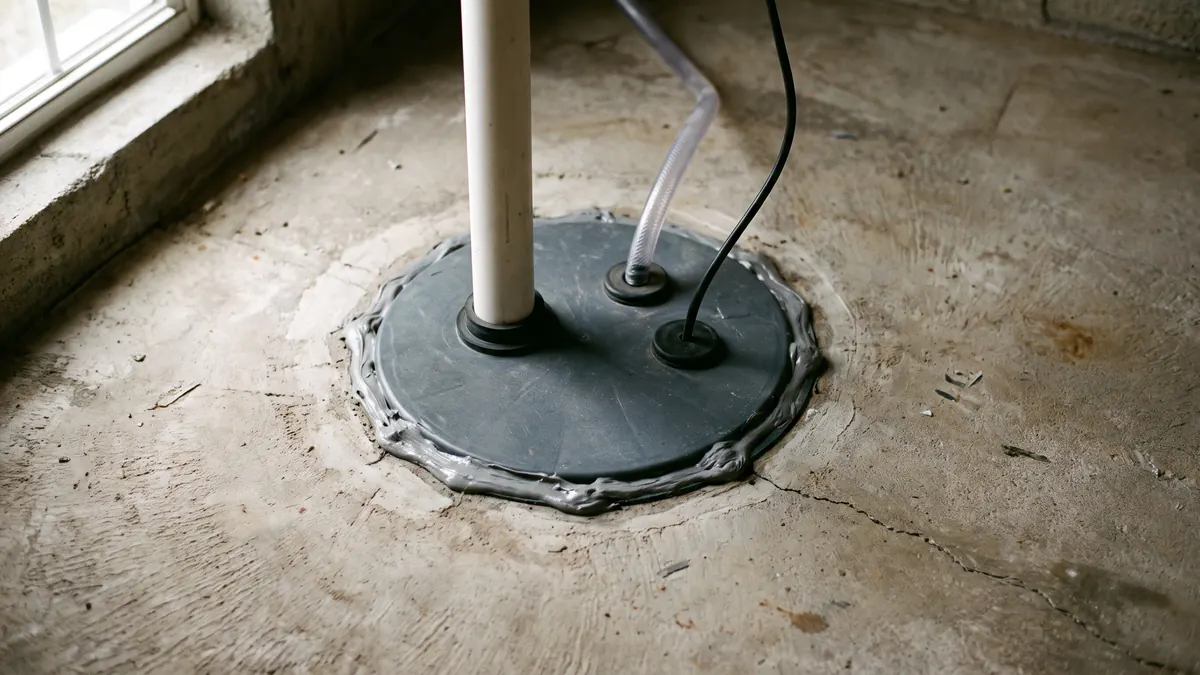
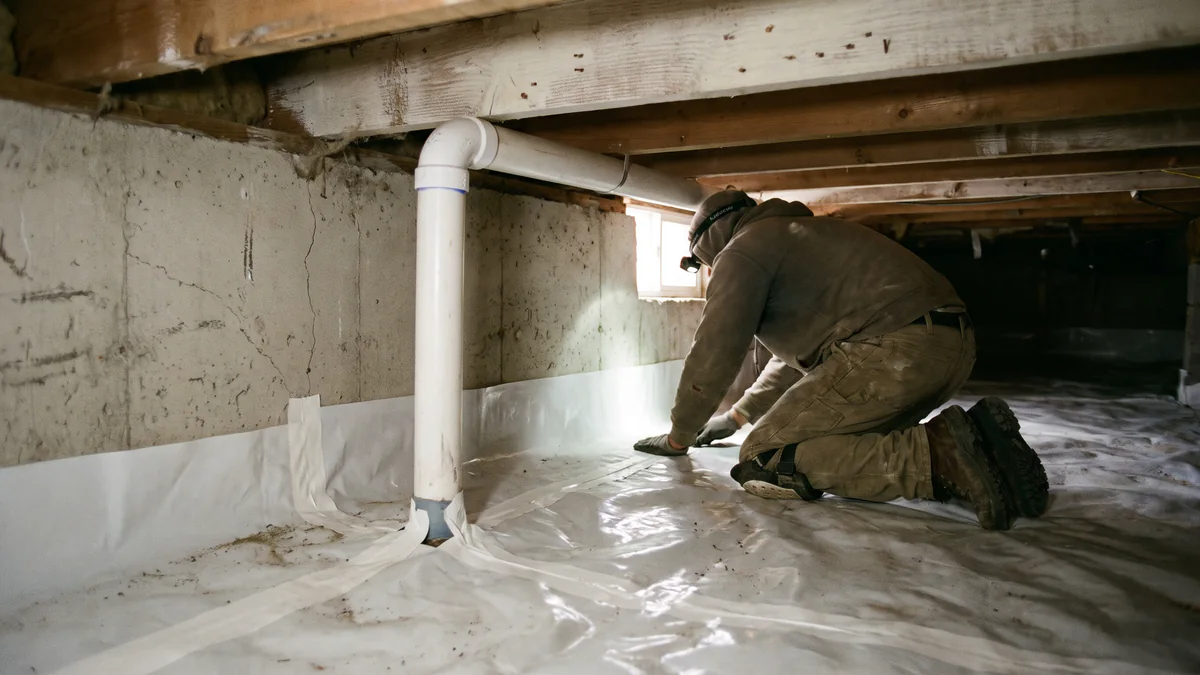
Every house is different, and the installer's written quote reflects it. The things that matter most are the foundation type, how easy it is to reach the slab, where the fan and pipe can go, whether a sump pit or crawlspace needs sealing, and the retest after the work.
What a system looks like in different homes
No two houses take the same route. Where the pipe runs, and where it leaves the building, depends on what is under your floor.
Is it loud?
The fan runs all the time and makes a low hum close to it. Installers put it in a utility room, an unfinished part of the basement, an attached garage or the attic, away from bedrooms.
Will sealing cracks fix it?
On its own, no. Health Canada says sealing entry routes helps, but how much depends on how high your level is. Sealing is part of a system, not a replacement for one. Health Canada
After the install
- Retest right after the system goes in, to confirm it works.
- Check the gauge now and then. If it reads zero, the fan has stopped.
- Retest within five years, and after any renovation that touches the foundation or the heating system.
New homes
Since April 1, 2025, the Ontario Building Code requires a radon rough-in in new houses: a capped pipe under the slab that an installer can connect a fan to later. A rough-in is not a working system, so a new home still needs a test. If the result is high, Tarion's warranty covers radon in homes under seven years old. HCRA code brief
Ready to test or fix?
Call 807-696-2005 Use the form
Hours: 8 am to 7 pm Eastern, seven days. Outside hours, leave a message or use the form; we call back the next working morning.